The 'Amazon Effect' has fundamentally reshaped consumer expectations, ushering in an era where instant information and seamless digital experiences are not just preferred, but expected. From tracking packages in real-time to ordering groceries with a few taps, citizens have grown accustomed to unparalleled convenience and transparency in their daily lives. However, public recreation services often lag behind this digital curve, leading to citizen frustration, wasted trips, and missed opportunities for community engagement. Citizens now anticipate the same real-time answers and digital convenience for public amenities – like knowing if the local basketball court is full or if the swimming pool is open – as they do for private sector interactions. This article will explore these evolving expectations, highlight the challenges posed by traditional communication methods, and demonstrate how smart city technology, particularly real-time amenity viewing, can bridge this critical gap, positioning municipalities as leaders in modern citizen engagement.

The 'Amazon Effect' on Public Services: A New Standard of Expectation
The 'Amazon Effect' is more than just about online shopping; it's a pervasive cultural shift towards instant gratification, real-time tracking, personalized experiences, and 24/7 digital access. Consumers now expect to find what they need, when they need it, with minimal effort and maximum transparency. This powerful paradigm has inevitably bled into the public sector, where citizens now apply the same high standards to municipal services. They no longer patiently search through static web pages or navigate complex phone trees to ask, "Is the park open?" or "How busy is the community pool right now?" Instead, they expect that information to be readily available, accurate, and accessible at a glance, typically from their mobile devices.
The shift is profound: from a world where citizens actively sought out information, to one where they expect information to proactively find them, or at least be effortlessly discoverable. This demand for immediate, reliable data stems from their daily interactions with platforms that provide live updates on everything from delivery status to ride-share locations. When public services fail to meet this 'always-on' expectation, it leads to growing frustration and a perception of inefficiency. Municipal Communications Directors are increasingly tasked with closing this gap, recognizing that citizen engagement hinges on meeting these modern digital expectations.
"85% of U.S. adults own a smartphone, making mobile-first access the undisputed norm for information consumption across all demographics."
The Friction Points: Why Traditional Communication Fails Modern Citizens
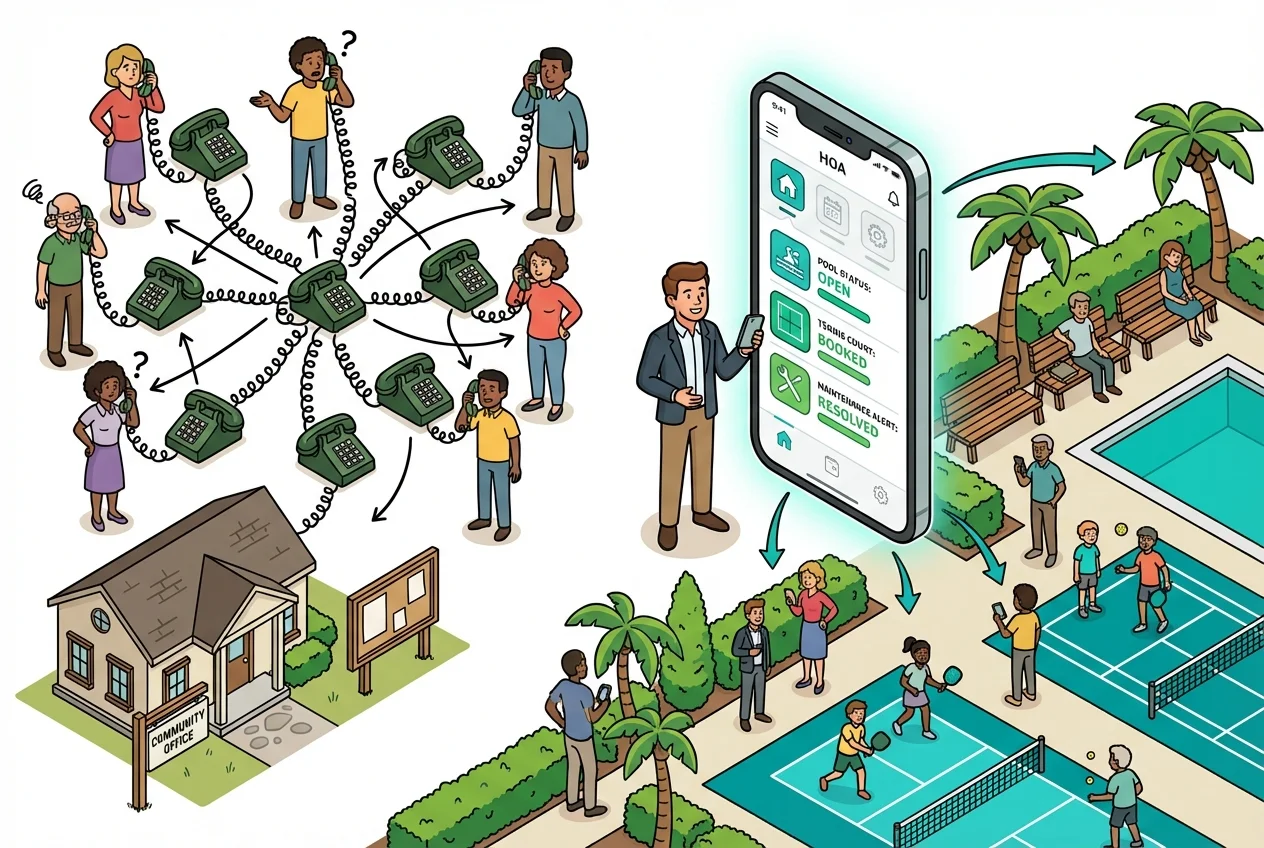
Traditional municipal communication methods, while once sufficient, are increasingly ill-equipped to meet the demands of the 'Amazon Effect'. Think of the common scenario: a citizen wants to know if the tennis courts are free. Their options are often limited to a phone call, navigating a complex automated system, or sifting through an outdated website schedule. This inefficiency doesn't just frustrate residents; it creates significant operational burdens for municipalities. Staff time is constantly diverted to answering repetitive calls about facility status, managing frequently changing schedules, and addressing complaints stemming from inaccurate information.
Pro Tip
Audit your current communication channels. Identify the top 5-10 most frequently asked questions about amenity availability and consider how a real-time visual solution could answer them instantly, freeing up staff time.
From the citizen's perspective, this translates to wasted trips to crowded facilities, missed opportunities to enjoy amenities, and a decline in trust and engagement. Imagine driving across town for the basketball court, only to find it packed. This isn't just an inconvenience; it erodes the perception of public services as reliable and citizen-centric. The gap between the expectation of instant, accurate, mobile-first information and the reality of slow, often outdated, desktop-centric systems is widening. Embracing smart parks maintenance can alleviate some of this pressure.
Beyond Text: The Power of Real-Time Visual Information
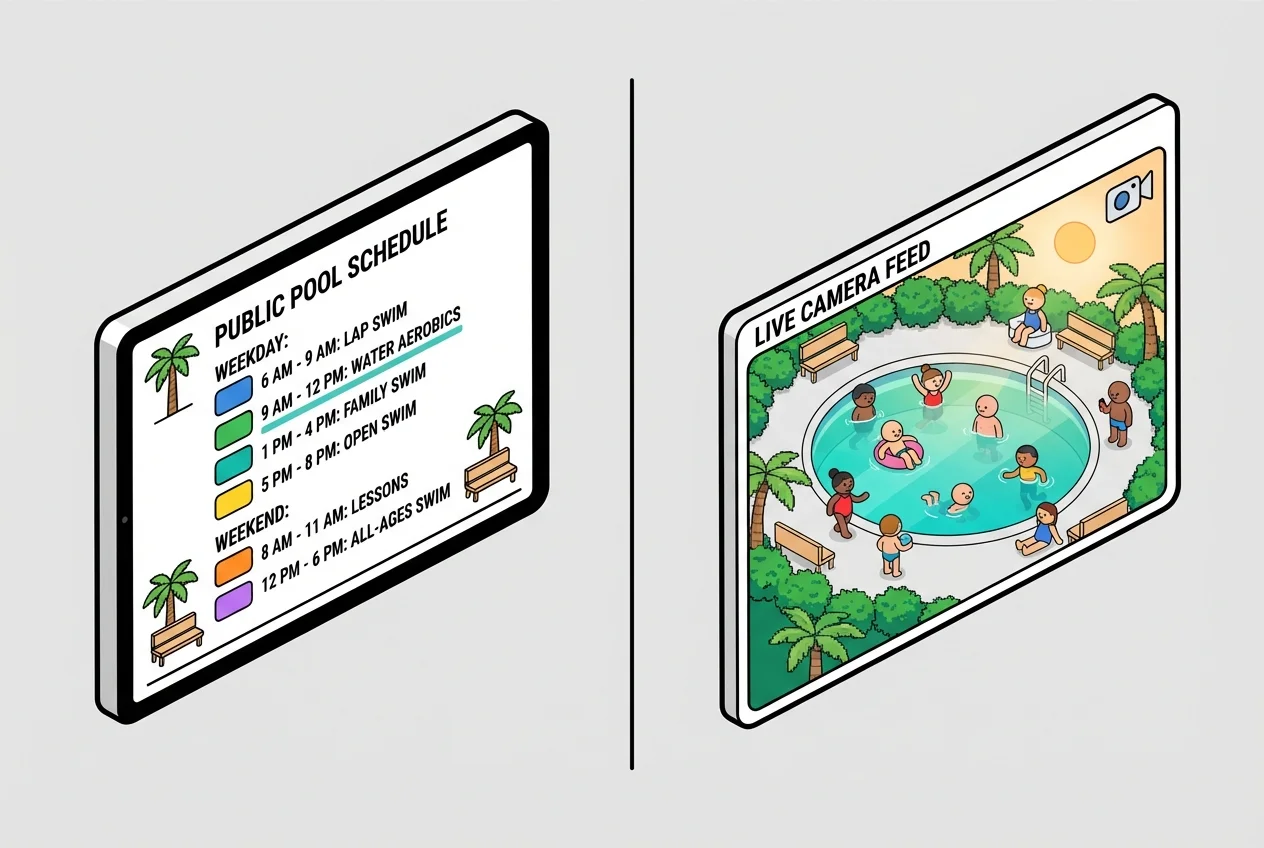
Static text schedules, while foundational, have inherent limitations in an unpredictable world. They cannot account for sudden weather changes, unexpected maintenance closures, or, critically, real-time capacity. A text schedule might say the pool is open, but it won't tell a parent if it's too crowded for their child to swim comfortably. This is where real-time visual information transforms the citizen experience.
Citizens inherently trust what they can see over what they read. A live camera view of a pool, tennis court, fitness center, or splash pad provides undeniable visual proof of current conditions. Is the basketball court full? Is the dog park too busy? Is the gym's wellness wing optimizing wellness wings for a specific vibe? A quick glance at a live feed provides the answer, reducing uncertainty and anxiety. This psychological impact is profound; it empowers citizens to make informed decisions, leading to more confident and frequent use of public facilities. It's about providing the 'vibe check' that today's users expect, much like how elevating gym atmosphere is crucial for Gen Z members.
Real-time visual information eliminates guesswork, provides immediate clarity, and builds a stronger sense of trust and transparency between citizens and their municipal services.
Inclusive Access: Designing for All Citizens
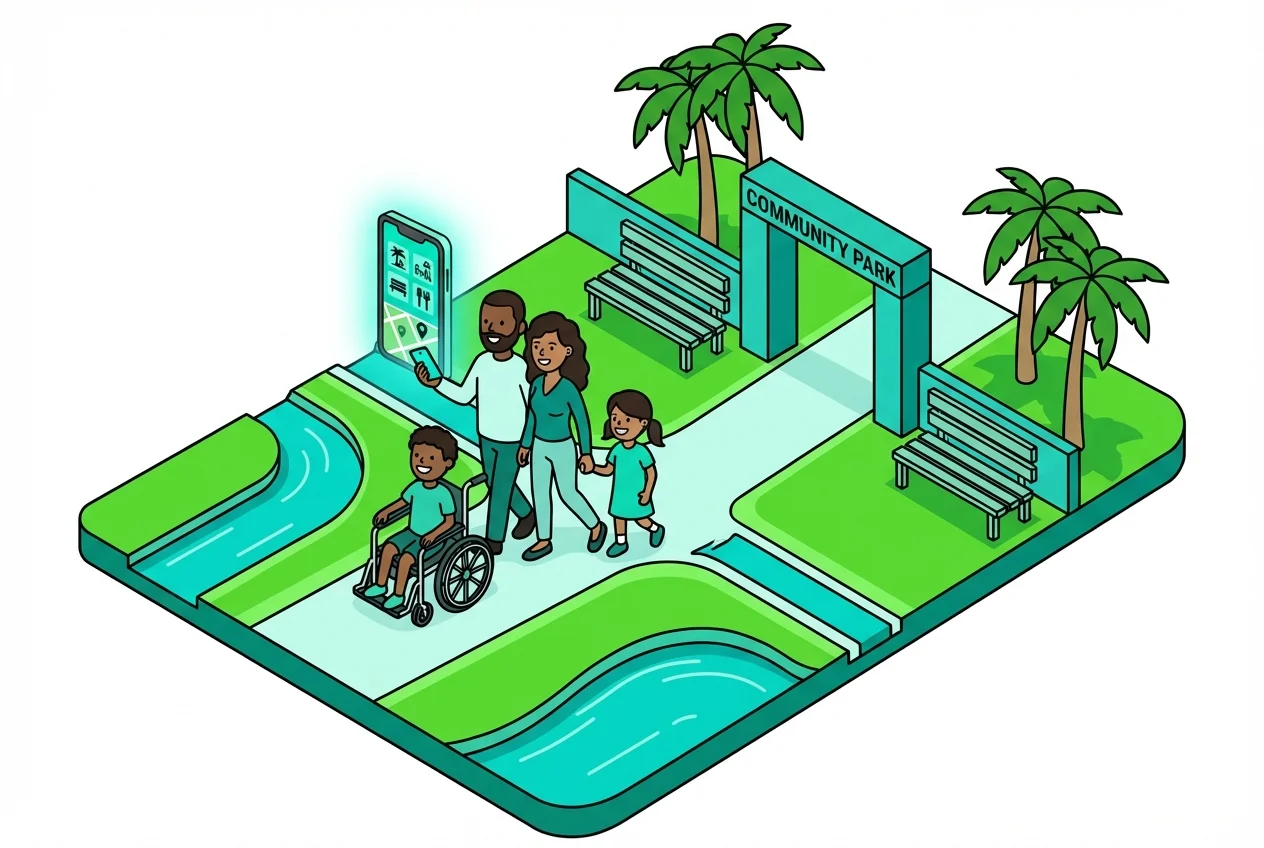
The benefits of real-time visual information extend far beyond simple convenience; they are instrumental in fostering truly inclusive access for all community members. Consider how live views can benefit diverse populations:
- Neurodivergent individuals: Predictability is key. Knowing exactly what to expect (e.g., crowd levels, noise) before arriving can significantly reduce anxiety and make public spaces more accessible.
- Families with young children: Parents can plan visits around nap times, assess crowd levels for safety, and decide if a splash pad is too busy for their toddlers.
- Individuals with mobility challenges: Real-time views can help assess the accessibility of a facility at that moment, identifying potential obstacles or crowded areas that might make navigation difficult.
- Seniors: Planning visits to avoid peak hours ensures a more comfortable and enjoyable experience.
By reducing barriers to participation and empowering all community members to plan their visits effectively and comfortably, municipalities move beyond mere ADA compliance. They utilize technology to create a truly equitable and user-friendly experience for everyone. This fosters a stronger sense of belonging and actively encourages broader community engagement in public spaces, ensuring that amenities are truly for all citizens.
Benefits of Visual Information for Inclusive Access
- Enhances predictability for neurodivergent individuals
- Enables better planning for families
- Aids individuals with mobility challenges in assessing accessibility
- Reduces anxiety and fosters confidence
- Promotes equitable access and broader community engagement
Implementing Smart Park Tech on a Legacy Budget: A Phased Approach
The idea of digital transformation can seem daunting, especially for municipalities operating with legacy budgets. However, implementing smart park technology, such as real-time amenity viewing, doesn't require an overhaul of your entire infrastructure overnight. The key is to focus on measurable ROI and adopt a strategic, phased approach.
Consider the tangible savings: a significant reduction in front desk calls and staff time spent on repetitive queries, fewer wasted trips for citizens, and ultimately, increased facility utilization. One municipality reported a 25% reduction in amenity-related calls after implementing real-time viewing for their busiest facilities. These efficiencies translate directly into cost savings and improved citizen satisfaction, making a strong case for investment.
Start small. Identify 1-2 high-impact amenities that generate the most inquiries or complaints. Implement real-time viewing for these, prove the value, and then scale up. Modern solutions are designed to integrate seamlessly with existing municipal communication channels, such as your current website or community app, maximizing reach and impact without requiring a complete platform rebuild. Explore solving urban dog park overcrowding as an example of targeted implementation.
Conclusion
Citizen expectations for public services have irrevocably shifted towards real-time, digital, and visual information. The 'Amazon Effect' has set a new standard, and municipalities that embrace this digital transformation will reap significant rewards. By adopting real-time amenity viewing solutions, communities can achieve improved citizen satisfaction, significantly reduce operational burdens, enhance facility utilization, and ensure more inclusive access for all residents. It's time for Municipal Communications Directors to explore these innovative technologies, positioning their cities as leaders in modern citizen engagement and forward-thinking smart city initiatives.
Frequently Asked Questions
How can we justify the cost of real-time amenity viewing to our board?
Focus on the return on investment (ROI). Highlight how the solution reduces staff time spent answering repetitive calls, minimizes wasted citizen trips, and increases overall facility utilization. Present data on potential call volume reduction and improved citizen satisfaction scores. Many solutions offer a phased approach, allowing you to prove value with a pilot program before full-scale implementation.
Will citizens actually use this technology?
Yes, the 'Amazon Effect' has conditioned citizens to expect and actively seek out real-time digital information. With 85% of U.S. adults owning a smartphone, mobile-first access is the norm. When information is readily available and easy to access, adoption rates are typically high, especially for popular amenities.
What about privacy concerns with live cameras?
Amenity viewing solutions are designed for transparency and public convenience, not surveillance. Cameras are typically positioned in open, public areas, focusing on facility occupancy and conditions, not individual identification. Clear signage, public policy, and adherence to privacy best practices are crucial for building trust and addressing concerns.
How do we start implementing this with a limited budget?
Begin with a pilot program. Identify one or two high-traffic amenities that generate the most inquiries or complaints (e.g., a popular pool, a frequently used sports court). Implement the solution there, gather feedback, and measure the impact on call volume and citizen satisfaction. This data can then be used to secure further funding for expansion.
What types of amenities benefit most from real-time viewing?
Amenities where real-time conditions (e.g., crowd level, weather impact, availability) are critical for a positive user experience benefit most. This includes swimming pools, fitness centers, tennis and basketball courts, splash pads, dog parks, community gardens, and even specific areas like cold plunge queues.
Ready to elevate your municipality's citizen engagement? Discover how real-time amenity viewing can transform your public services. Explore Amenivue features and empower your community with the transparency and convenience they expect.