The demand for indoor sports facilities, particularly during the colder months, continues to surge, creating a significant bottleneck during traditional prime-time hours. Sports facility owners and league organizers often find themselves in a challenging position: turning away eager athletes due to limited court or field availability, while simultaneously facing the high operational costs that make extending hours economically prohibitive. The primary culprit? Staffing expenses. However, a revolutionary solution is emerging. By leveraging remote monitoring technology, facilities can unlock the untapped potential of 'Midnight Leagues' and late-night bookings, enabling unstaffed operations that not only reduce labor costs but also open up entirely new, profitable revenue streams.

The Winter Capacity Crunch: Why Prime Time Isn't Enough for Growth
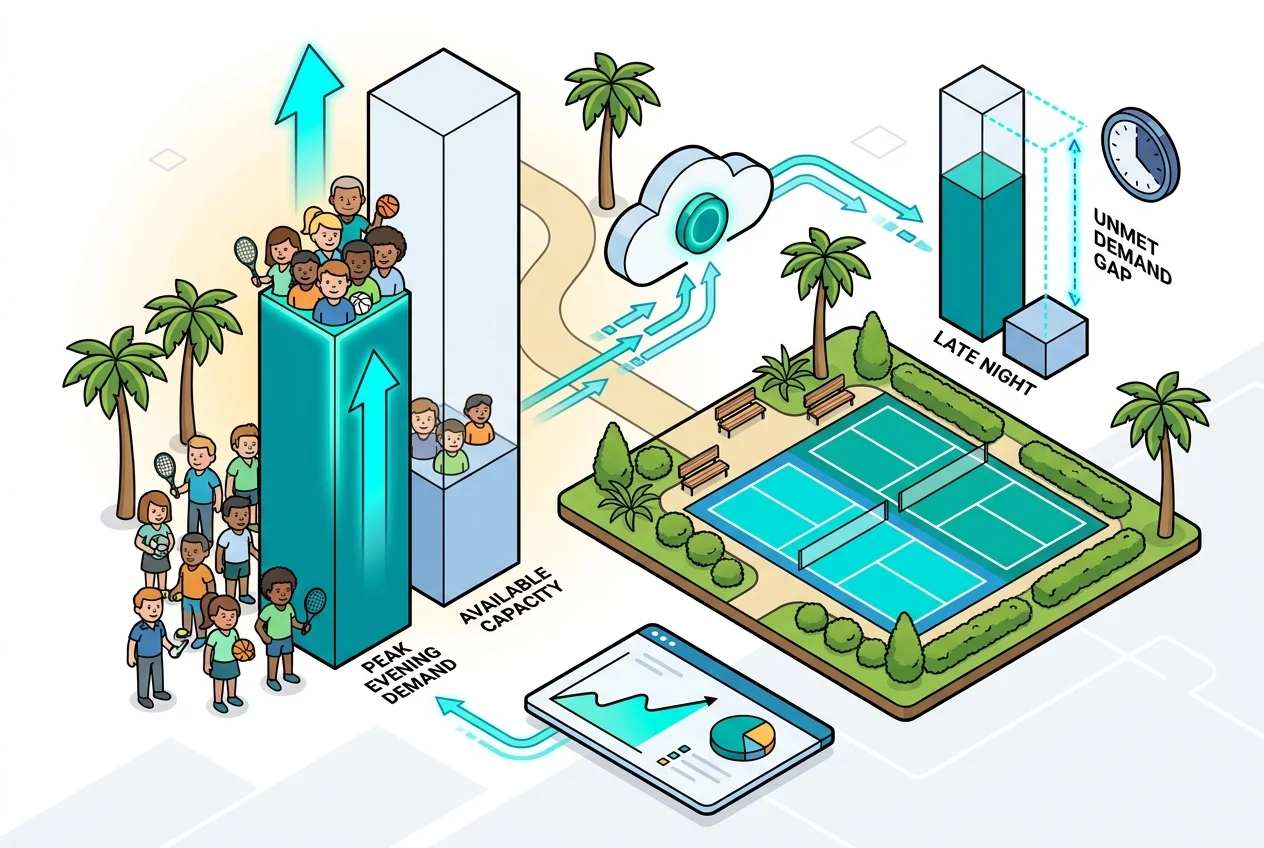
The golden hours for indoor sports — typically 6 PM to 9 PM — are a constant battleground. Courts and fields are booked solid, often weeks in advance, leading to a frustrating cycle of turnaways and missed opportunities. This scarcity isn't just an inconvenience; it represents a substantial amount of unfulfilled demand and lost revenue. Many facilities report turning away up to 70% of peak-hour booking requests during winter months, a clear indicator of a market hungry for more playing time.
For adult leagues, dedicated athletes, and even casual players, the desire for flexible, late-night playing options is a growing trend. These individuals often have demanding daytime schedules and are actively seeking venues that can accommodate their passion outside of conventional hours. The concept of 'Midnight Leagues' or individual late-night bookings taps directly into this underserved market, transforming what was once dead time into dynamic, revenue-generating activity. Extending operational hours isn't just about fitting more games in; it's an economic imperative that directly correlates with increased profitability and provides a significant competitive advantage in a crowded market. Facilities that can offer this flexibility stand out, attracting new members and retaining existing ones by catering to their diverse needs.
The Unstaffed Model: Automated Access Meets Live Remote Visibility
The cornerstone of a successful late-night, unstaffed operation is a robust technological infrastructure that replaces the need for on-site personnel. This begins with automated access control systems, which can range from keycard entry and mobile app-based smart locks to biometric scanners. These systems grant authorized users seamless entry, ensuring that only booked individuals can access the facility during their allotted time.
Core Components for Unstaffed Operations
- Automated access control (smart locks, mobile apps)
- Live camera views for real-time monitoring
- Seamless booking system integration
- Two-way audio communication
- Remote environmental controls
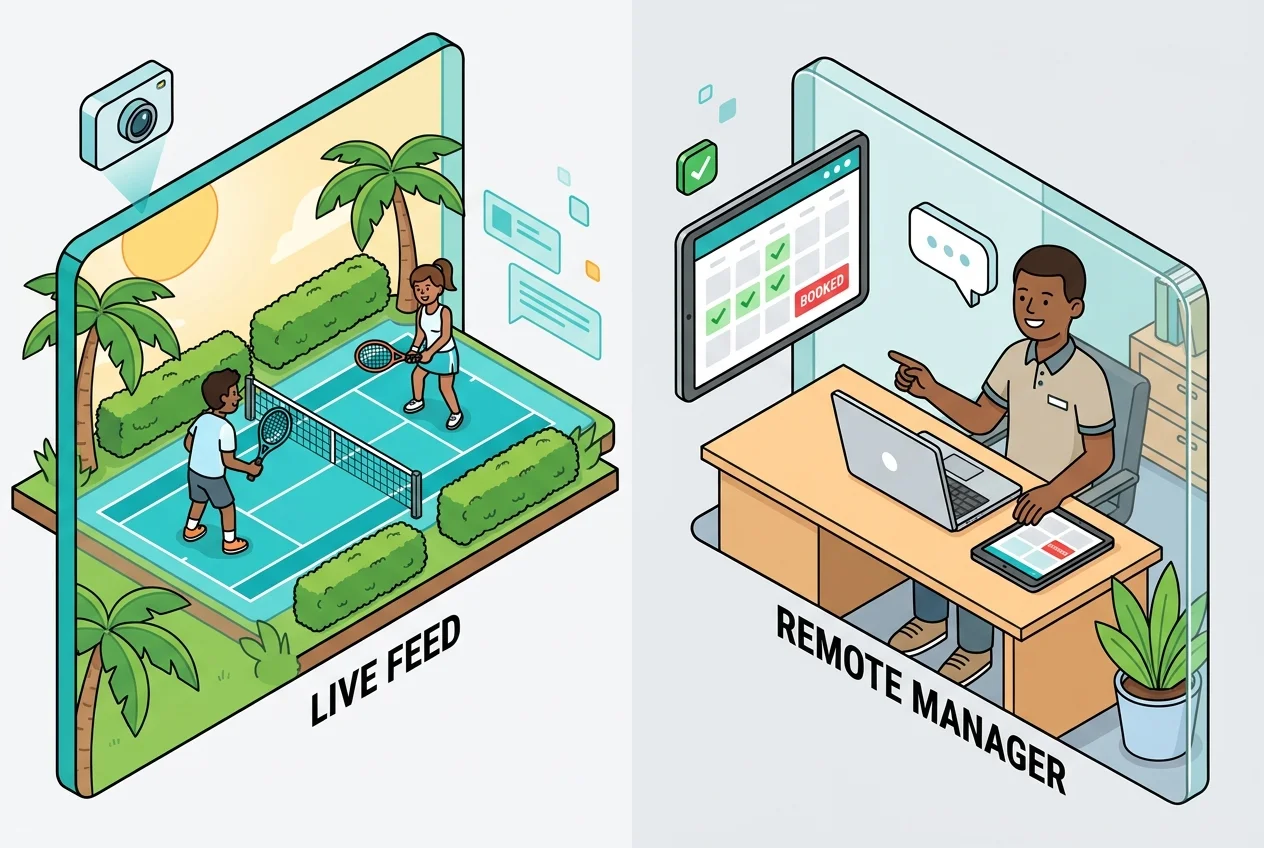
However, automated access is only half the equation. The critical element that provides peace of mind and accountability is live camera views, such as those offered by Amenivue. These high-definition feeds provide real-time monitoring of facility usage, allowing remote staff to observe court activity, ensure fair play, and verify adherence to facility rules. This remote visibility is invaluable; it means you can effectively supervise your facility without the costly overhead of a physical presence. By integrating these systems with your existing booking and scheduling platforms, you can manage late-night reservations with unparalleled efficiency, automatically correlating access times with booked slots and providing a clear audit trail. This integration reduces administrative burden and empowers facility managers to oversee operations from anywhere, at any time.
Remote Dispute Resolution: Handling 'Who's on the Court?'
Even with the best systems in place, minor disputes or misunderstandings can arise in any facility, especially during unstaffed hours. Common challenges include overlapping bookings, unauthorized individuals trying to access courts, or disagreements over who has the next game. This is where live remote visibility truly shines.
Did You Know?
Studies show that objective visual evidence can resolve over 90% of amenity-related disputes quickly, significantly reducing the need for direct staff intervention and improving user satisfaction.
High-definition live feeds provide objective, undeniable evidence, allowing remote staff to quickly and fairly resolve issues. A quick check of the camera can confirm who arrived first, who is currently playing, or whether an unauthorized group has entered. Protocols for remote intervention can then be activated:
- Two-way audio communication allows remote staff to speak directly to users on the court, clarifying booking times or reminding them of rules.
- In-app messaging or direct phone calls can be used to communicate with the primary booker.
- Automated alerts can notify staff of unusual activity, prompting immediate review.
By setting clear rules and expectations for late-night users, enforced remotely through visual verification, facilities can maintain order and ensure a positive, respectful user experience. This proactive approach minimizes conflict and reinforces a sense of accountability among players, fostering a self-regulating community. Learn more about managing facility rules with live visuals.
Ensuring Safety & Security for Late-Night Sports Operations
Operating an unstaffed facility during late-night hours naturally raises questions about safety and security. Addressing these concerns proactively is paramount to the success and reputation of your 'Midnight League' offerings. Remote monitoring systems are not just about dispute resolution; they are integral to a comprehensive security strategy.
Pro Tip
Beyond just cameras, integrate your remote monitoring with smart lighting that can be controlled remotely or triggered by motion, and ensure emergency call buttons are clearly visible and directly linked to emergency services.
Live camera feeds integrate seamlessly with existing security infrastructure, including emergency call buttons, alarm systems, and smart lighting. In the event of an emergency, remote staff can quickly assess the situation, communicate with on-site individuals via two-way audio, and dispatch appropriate emergency services. Clear signage detailing emergency protocols and contact information should be prominently displayed throughout the facility. Furthermore, remote management extends to the facility environment itself. Lighting, HVAC systems, and even specific access points can be controlled remotely, optimizing comfort for users and ensuring energy efficiency during off-peak hours. Regular virtual facility checks, combined with robust incident reporting mechanisms, allow for continuous improvement of safety protocols and overall facility management. For insights on managing facility status, see our related guide.
Unlocking New Revenue & ROI: Monetizing the 10 PM - 1 AM Slot
The most compelling argument for adopting an unstaffed, remote-monitored model is the significant financial upside. By extending operating hours into the 10 PM to 1 AM slot, facilities can tap into a previously inaccessible revenue stream. This includes:
- New late-night league slots: Creating entirely new leagues that cater specifically to this time window.
- Open play sessions: Offering flexible, pay-per-use options for individuals or small groups.
- Individual court rentals: Allowing members to book courts for practice or casual games.
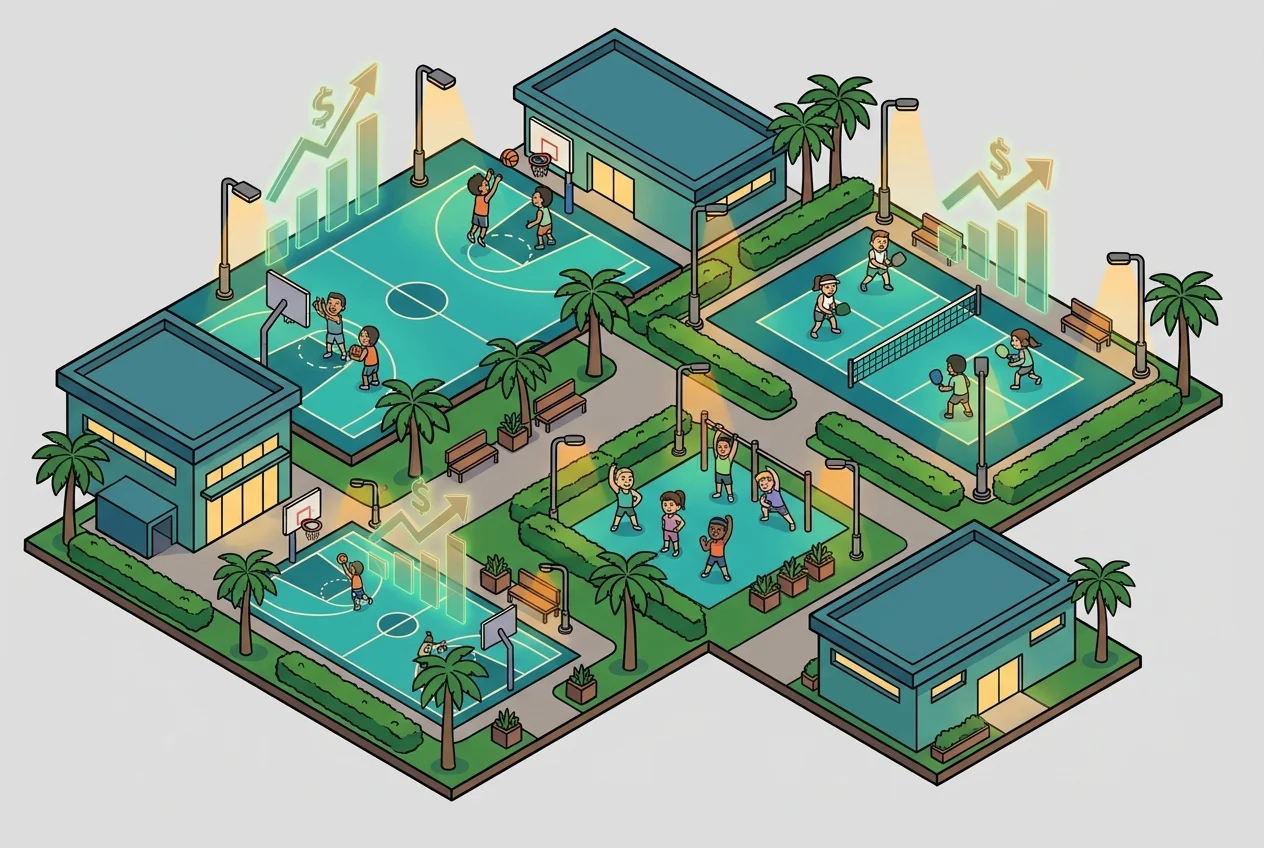
This expansion can boost overall facility revenue by an estimated 20-30% annually, without the proportional increase in labor costs. For members, offering extended, exclusive access becomes a premium amenity, enhancing the value proposition of their membership and attracting new sign-ups.
The significant cost savings achieved by eliminating or drastically reducing late-night staffing expenses directly contributes to a rapid return on investment (ROI). While there's an initial investment in remote monitoring technology, the ongoing savings on wages and benefits, coupled with the new revenue generated, means the system often pays for itself within months. This isn't just about adding hours; it's about smart growth, making your facility more profitable and competitive.
Conclusion
Remote monitoring technology offers a transformative pathway for sports facilities to overcome the challenges of limited prime-time availability and high operational costs. By embracing an unstaffed late-night model, facilities can unlock significant new revenue streams, drastically reduce staffing expenses, and enhance the overall user experience by offering unparalleled flexibility. The 'Midnight League' opportunity is more than just extending hours; it's a strategic move for sustainable growth, increased profitability, and deeper community engagement. As the landscape of sports facility management continues to evolve towards smarter, more automated solutions, adopting remote monitoring is not just an option—it's a necessity for future success.
Ready to transform your facility's operational model and unlock new revenue? Discover how Amenivue can power your unstaffed late-night operations. See our solutions in action today.
Frequently Asked Questions
How does remote monitoring ensure fair play in an unstaffed facility?
Remote monitoring systems, particularly those with live camera feeds, provide real-time visual evidence of court usage. This allows facility managers to observe activities, verify booking times, and identify any disputes or rule violations. With objective visual data, issues can be resolved quickly and fairly, ensuring everyone adheres to the rules and has a positive experience.
What kind of access control systems integrate with remote monitoring?
Amenivue's remote monitoring solutions are designed to integrate seamlessly with a variety of automated access control systems, including smart locks, keycard entry systems, mobile app-based access, and even biometric scanners. This ensures that only authorized individuals can enter the facility during their booked times, enhancing security and operational efficiency.
Is an unstaffed facility truly safe at night?
Yes, when properly implemented. An unstaffed model with robust remote monitoring prioritizes safety by integrating live camera feeds with emergency call buttons, alarm systems, and smart lighting. Remote staff can monitor for unusual activity, communicate directly with users via two-way audio, and dispatch emergency services if needed, providing a comprehensive safety net without a physical presence.
What's the typical ROI for implementing remote monitoring for late-night operations?
The return on investment can be significant and rapid. By eliminating or substantially reducing late-night staffing costs, facilities save thousands annually. Coupled with the new revenue generated from expanded late-night bookings and leagues, many facilities see the initial investment in remote monitoring technology pay for itself within a few months to a year.
How are emergencies handled in an unstaffed late-night facility?
Emergency protocols are a critical component of the unstaffed model. Clear signage indicates emergency exits and contact information. Remote monitoring staff are trained to identify emergencies through live feeds, activate two-way audio to communicate with individuals on-site, and immediately contact local emergency services (police, fire, EMS) as needed, providing them with real-time visual information.
Can remote monitoring help manage energy costs during late-night hours?
Absolutely. Remote monitoring systems often integrate with smart facility controls, allowing managers to remotely adjust lighting, HVAC, and other environmental systems based on actual usage and occupancy. This ensures that energy is only consumed when and where it's needed, significantly reducing utility costs during off-peak and late-night hours.
Unlock your facility's full potential and explore new revenue opportunities. Connect with our team to learn more about Amenivue.