The increasing focus on Diversity, Equity, and Inclusion (DEI) within municipal services is a cornerstone of modern community development, with NRPA priorities for 2026 strongly advocating for equitable access to public spaces. However, traditional definitions of accessibility often overlook critical digital barriers and real-time information gaps, which disproportionately affect vulnerable populations. Imagine a senior citizen relying on public transit, only to arrive at a park pool to find it unexpectedly closed, or a family with limited resources making a long journey to a playground that's already overcrowded. Live amenity feeds—offering real-time visual updates of parks, pools, sports courts, and fitness centers—emerge as an essential, high-impact solution to bridge these gaps and foster true digital equity. This article will explore how live feeds redefine accessibility, dismantle transit barriers, create welcoming spaces for neurodivergent citizens, build public trust, and outline strategies for securing funding to implement this transformative technology.

Beyond Ramps: How Live Feeds Redefine Public Recreation Accessibility
While physical accessibility — like ramps, wide paths, and accessible restrooms — forms the foundational layer of inclusive public spaces, it's increasingly clear that a holistic approach to accessibility must extend beyond the physical. What good is a perfectly accessible park if a citizen, particularly one with mobility challenges, wastes a significant amount of time and effort traveling there only to find it unexpectedly closed, overcrowded, or its key features out of order? This is the "last mile" information problem, where the crucial real-time status of an amenity remains unknown until arrival.
Citizens need to know the current conditions of a facility before they commit to a trip. Is the splash pad operating? Is the tennis court occupied? Is the fitness center at capacity? Are there unexpected weather impacts making the park unusable? Live, non-security camera feeds provide this crucial, up-to-the-minute status, transforming how residents interact with public resources. By empowering informed decisions, these feeds ensure that amenities are not just physically accessible but truly usable and welcoming. This technological advancement directly connects to the National Recreation and Park Association's (NRPA) broader vision of creating inclusive parks and recreation experiences for all, moving beyond basic compliance to proactive enablement. Studies show that a lack of real-time information can deter up to 40% of potential visitors from using public amenities, highlighting the significant impact of this information gap.
True accessibility in public recreation isn't just about physical access; it's about providing real-time information that empowers every citizen to make informed decisions before they travel, ensuring a usable and welcoming experience.
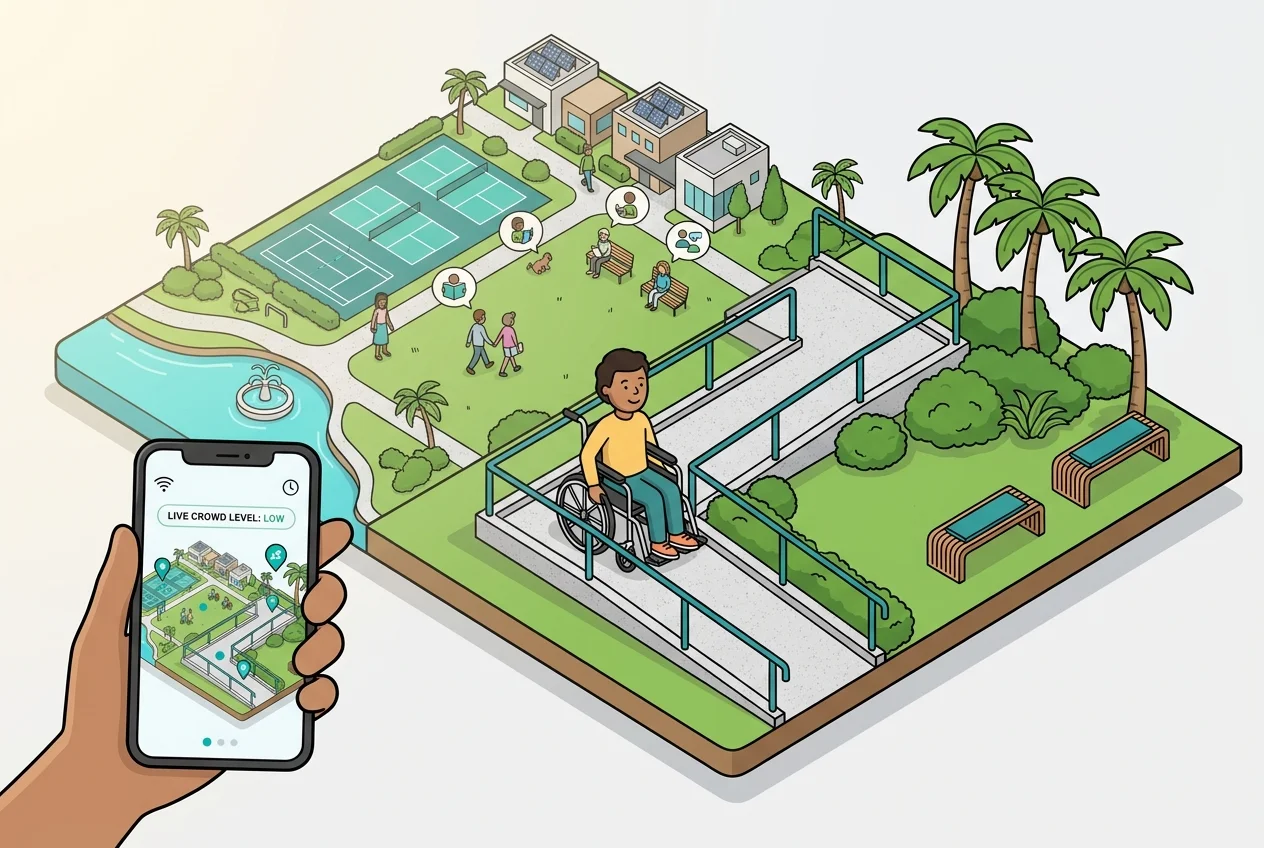
Dismantling the Transit Barrier: 'Look Before You Go' for Public Transport Users
For many residents, accessing public amenities involves navigating the complexities of public transportation. The time, effort, and often financial cost associated with bus fares or train tickets make every journey a significant investment, especially for individuals and families without private vehicles. A wasted trip to an amenity that's unavailable or unsuitable can be a major deterrent, exacerbating existing inequities.
Imagine a parent and child taking two buses to reach a community pool, only to find it at maximum capacity with a long waitlist, or a senior citizen traveling to a community garden to find it unexpectedly closed for maintenance. Live amenity feeds prevent these unnecessary and frustrating journeys by allowing citizens to "look before they go." They can check real-time crowd levels at the pool, see if the basketball court is free, or confirm that the playground is open and safe from unexpected conditions like excessive mud or ongoing repairs. This democratizes access to information, particularly benefiting low-income communities, seniors, and others who rely heavily on public transit. By reducing the barriers created by information asymmetry, live feeds encourage greater participation in public recreation across all demographics, fostering a more engaged and connected community. According to a recent survey, over 60% of public transport users prioritize real-time information about destination conditions to avoid wasted trips.
Benefits for Public Transit Users
- Prevents wasted trips and associated costs
- Saves time and effort on unnecessary travel
- Empowers informed decisions about amenity usage
- Increases equitable access for all demographics
- Boosts overall community engagement
Visual Predictability: Creating Welcoming Spaces for Neurodivergent Citizens
For many, exploring a new public space is an exciting adventure. For neurodivergent individuals, such as those with autism spectrum disorder, sensory sensitivities, or social anxiety, new or unpredictable environments can be sources of significant stress and overwhelm. The need for predictability in public settings is a crucial, yet often overlooked, aspect of truly inclusive design.
Live amenity feeds offer a powerful tool to address this need by providing visual predictability. Patrons can pre-assess various environmental factors before they leave home: crowd levels, potential noise, lighting conditions, and the general level of activity. This insight allows them to choose optimal times for their visit, avoiding peak hours if they prefer quieter spaces, or mentally prepare for a busier environment. For a child with sensory sensitivities, seeing a calm pool area with few swimmers can make the difference between an enjoyable outing and an overstimulating, distressing experience. By fostering this level of visual foresight, municipalities take a vital step in creating public spaces that are not just physically accessible but also emotionally comfortable and usable for a broader range of citizens. This goes beyond traditional physical barriers, contributing to a more comprehensive definition of accessibility and inclusion.
Did You Know?
Visual predictability can significantly reduce anxiety for individuals with sensory processing differences, making public spaces more accessible and enjoyable. Live feeds provide this essential pre-visit information, fostering a sense of control and comfort.
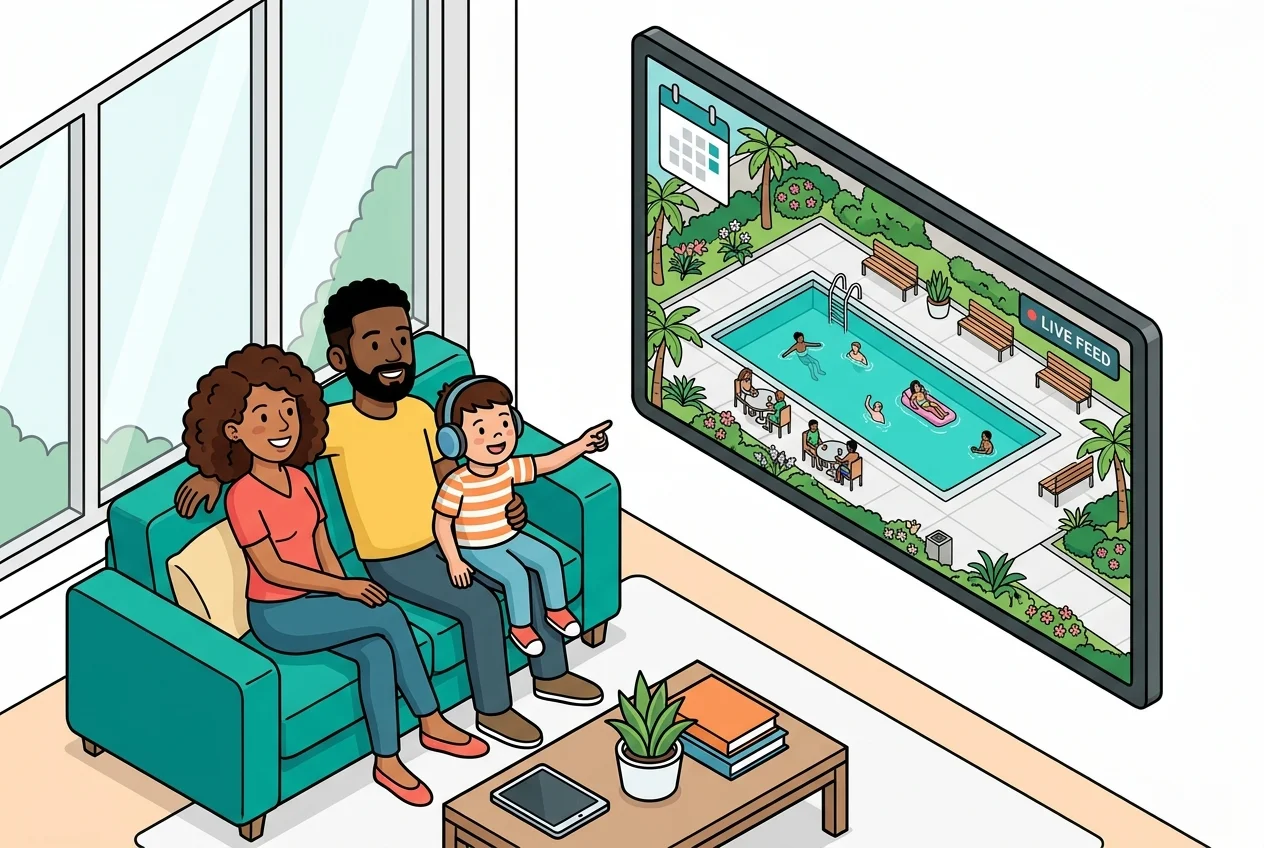
Transparency as a Pillar of Digital Equity and Public Trust
Digital equity extends far beyond simply providing internet access. It encompasses meaningful access to critical, real-time information about public services that empowers citizens to fully participate in community life. Live amenity feeds embody this broader definition, ensuring that vital information about public spaces is readily available to everyone, regardless of their socio-economic status or digital literacy.
By offering transparent, live views of public amenities, municipal governments can foster a deeper level of trust and accountability with their citizens. This commitment to openness demonstrates that the city is actively working to ensure services are accessible and well-maintained. When residents can verify the conditions of a park or pool themselves, it builds confidence in their local government's operations. Empowered, informed citizens are not only more likely to utilize and appreciate public resources but also to feel more connected to their community, leading to higher satisfaction and greater civic engagement. Furthermore, these camera systems, when designed with privacy in mind (focusing on amenity status, not individual identification), can also provide anonymized usage data. This data offers invaluable insights for city planners, informing better resource allocation, facility maintenance schedules, and budget justifications, as discussed in our related guide.
"Implementing live amenity feeds transformed how our community interacts with our parks. It's not just about convenience; it's about trust. Residents feel heard and valued when they have immediate access to information about their public spaces."
Securing Funding & Implementing Inclusive Tech for Your Community
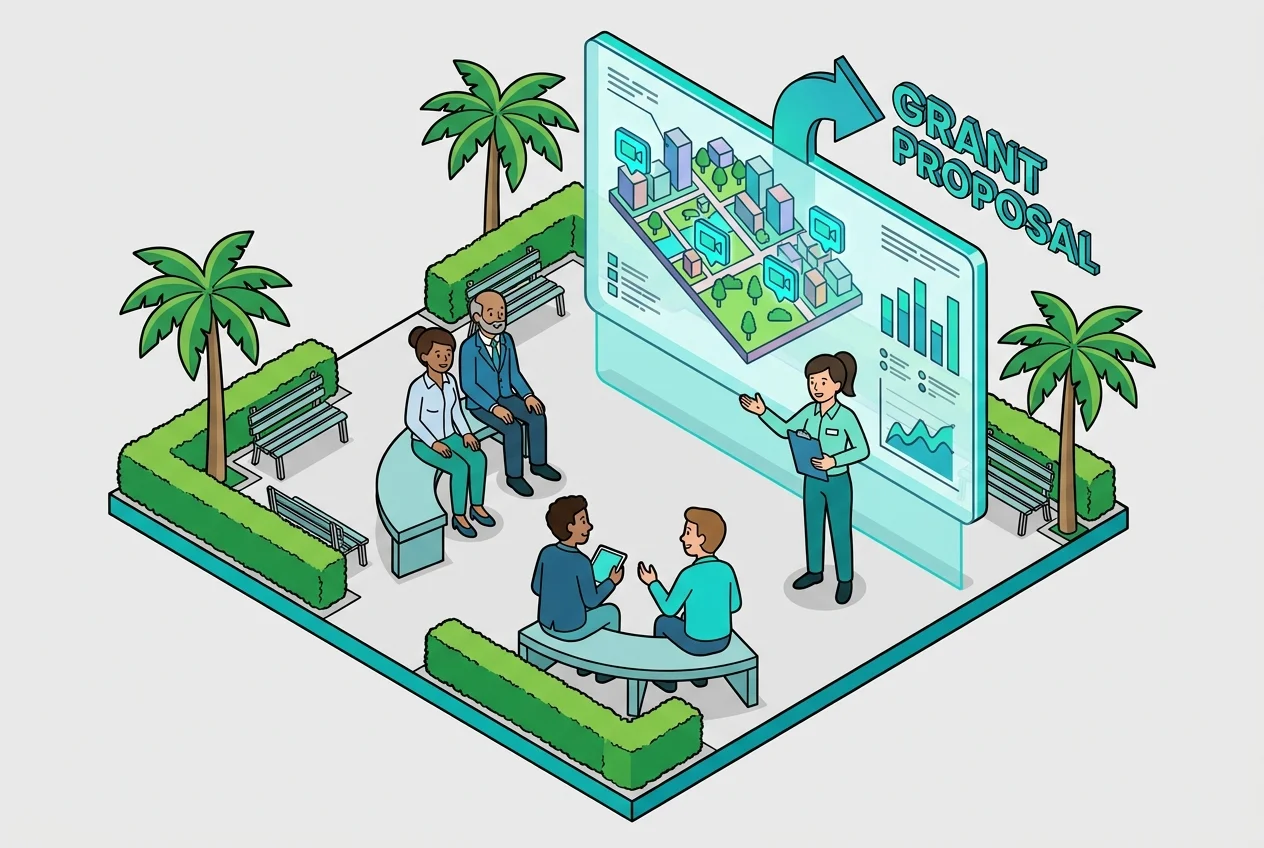
Implementing innovative technology like live amenity feeds requires strategic planning, especially when it comes to funding. Fortunately, numerous grant opportunities align perfectly with the goals of digital equity, accessibility, and community well-being that these systems address. Federal programs, state initiatives, and private foundations often offer grants for "smart cities" projects, public health initiatives, and DEI-focused community development. For example, grants aimed at improving infrastructure for underserved communities or enhancing public safety through technology can be excellent fits.
When applying for funding, it's crucial to frame live feeds as a cost-effective, high-impact solution that directly addresses multiple community priorities. Highlight how these systems reduce wasted trips, increase participation, enhance safety, and build community trust. Emphasize the quantifiable benefits, such as reduced front desk calls (some communities report up to an 85% reduction in amenity-related inquiries) and improved resource utilization. For successful deployment, practical considerations include robust privacy safeguards (clearly communicating the non-security purpose), seamless technology integration with existing municipal platforms, and comprehensive community communication to ensure transparency and adoption. Amenivue provides the technology and expertise to help municipalities navigate these challenges, offering a proven platform to achieve these inclusive goals. Explore our solutions to see how we can assist your city.
Frequently Asked Questions
What is digital equity in the context of parks and recreation?
Digital equity in parks and recreation means ensuring all citizens have meaningful access to the real-time digital information they need to fully utilize public amenities. This goes beyond basic internet access to include practical, up-to-the-minute details about facility status, crowd levels, and accessibility, empowering informed decisions for everyone.
How do live amenity feeds differ from security cameras?
Live amenity feeds are specifically designed for transparency and convenience, focusing on general conditions like crowd levels, weather impact, or equipment availability. They are typically low-resolution, non-recording, and positioned to avoid identifying individuals, contrasting sharply with high-resolution security cameras used for surveillance and incident recording. Our focus is on information, not identification.
What are the privacy implications of live amenity feeds?
Privacy is paramount. Amenivue's live feeds are implemented with strict privacy protocols, focusing on broad area views rather than individual identification. They are typically low-resolution, do not record footage, and are clearly communicated to the public as non-security transparency tools. This approach ensures public trust while delivering valuable real-time information.
What types of amenities can benefit from live feeds?
A wide range of public amenities can benefit, including municipal pools, sports courts (tennis, basketball, pickleball), fitness centers, skate parks, dog parks, playgrounds, community gardens, and even popular walking trails. Any space where real-time status or crowd level information would be valuable to potential users is an ideal candidate.
How can my city secure funding for this technology?
Cities can explore various grant opportunities, including federal "smart cities" initiatives, public health grants, community development block grants, and private foundation funding focused on DEI or technology innovation. Framing the project around enhanced accessibility, digital equity, and community well-being significantly strengthens grant applications. We can help you understand funding options.
Conclusion: The Future of Equitable Public Recreation
Live amenity feeds are more than just a technological upgrade; they are a fundamental shift towards truly equitable and inclusive public recreation. By providing real-time, transparent information, municipalities can redefine accessibility, eliminate barriers for public transit users, create welcoming spaces for neurodivergent citizens, and build invaluable public trust. This forward-thinking investment in smart community infrastructure ensures that every citizen, regardless of their background or circumstance, can fully participate in and enjoy their public spaces. It's time for City Planners and Recreation Directors to evaluate and embrace this technology, leading the way to a future where every city is a smart, equitable city. To learn more about how Amenivue can help your community achieve these goals, get a personalized demo today.