The familiar sight of a "Park Full" sign, often accompanied by a gate closure by 10 AM on a beautiful summer weekend, is a growing frustration for both aspiring nature enthusiasts and the dedicated staff of state parks. This scenario isn't just an inconvenience; it's a symptom of a larger challenge: the escalating problem of state park overcrowding. Increased visitation puts immense strain on natural resources, diminishes the visitor experience, and diverts valuable staff time from conservation and service to traffic control. This article explores how regional park authorities can leverage real-time visual technology – specifically live camera feeds – to dynamically manage visitor flow, prevent gate closures, and intelligently distribute crowds to lesser-known areas, ultimately enhancing operational efficiency, protecting precious ecosystems, and ensuring a superior experience for all.

The Rising Tide: Understanding State Park Overcrowding & Its Consequences
State parks across the nation are experiencing an unprecedented surge in popularity. Factors like steady population growth, increased interest in outdoor recreation, and a pandemic-fueled boom in exploring local natural spaces have led to visitor numbers that often exceed infrastructure capacity. This rising tide, while positive for promoting health and connection with nature, brings with it significant challenges.
The negative impacts of overcrowding are multi-faceted. For visitors, it means diminished experiences: crowded trails, difficulty finding parking, long waits, and a general loss of the serene escape they sought. Environmentally, popular areas suffer from increased erosion, litter, and disturbance to wildlife. Operationally, park staff are increasingly tasked with traffic management, gate closures, and managing frustrated visitors, diverting their focus from vital conservation efforts, maintenance, and visitor education. The "10 AM Gate Closure" phenomenon is a stark indicator of this problem, highlighting the inadequacy of current management tools to provide real-time solutions and prevent wasted trips, leading to significant visitor frustration and negative public perception.
Overcrowding in state parks isn't just a nuisance; it's a complex challenge impacting visitor satisfaction, environmental health, and the efficient allocation of park resources.
Why Current Communication Falls Short for Real-Time Traffic Management
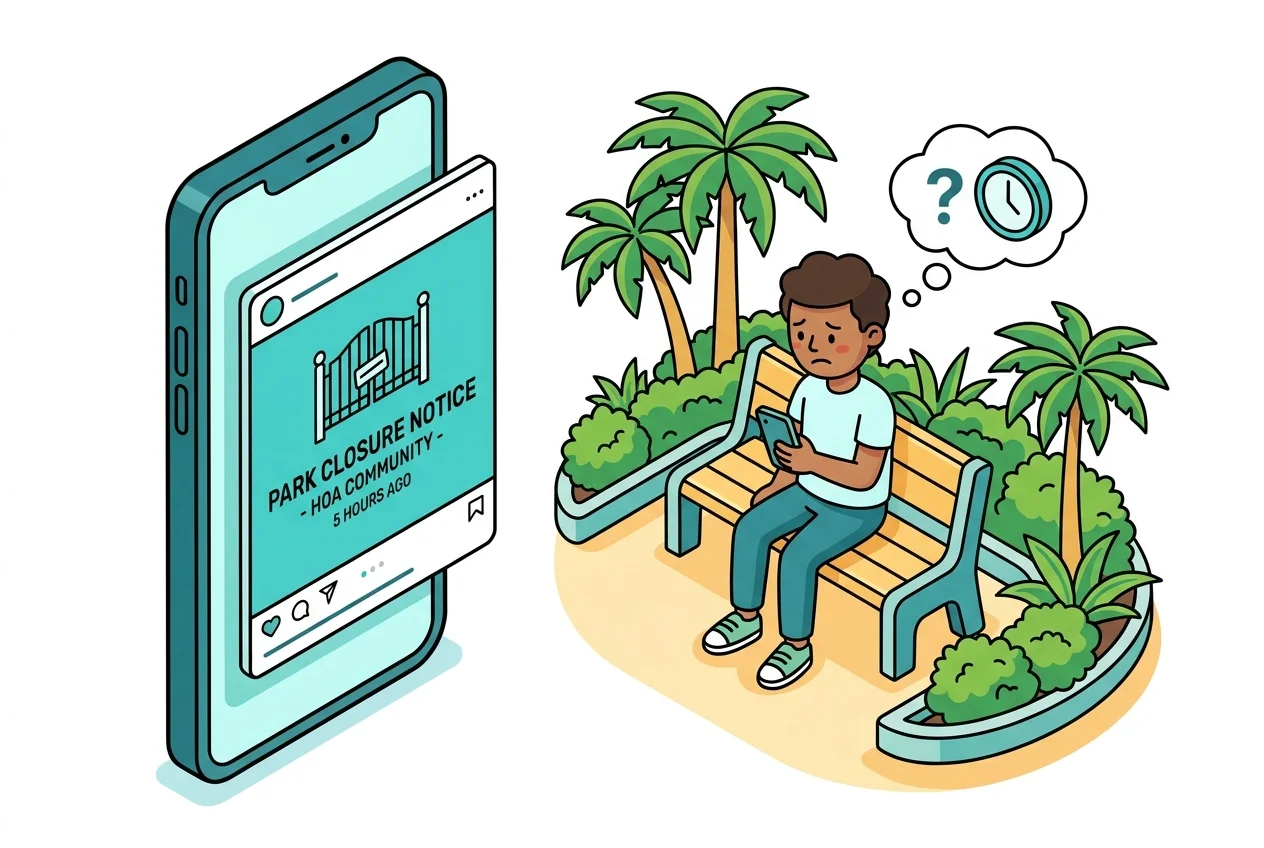
In today's fast-paced world, visitors expect instant information, yet many state park systems still rely on outdated communication methods for critical real-time updates. Traditional approaches like static website updates, periodic social media posts, and manual signage at park entrances often fall short.
These methods are inherently reactive and suffer from significant delays. A website update might lag by 30 minutes, and a social media post could be hours old by the time a visitor sees it. By then, conditions on the ground may have drastically changed. This lack of immediate, accurate information leads to wasted trips, with visitors driving for miles only to be turned away at a full parking lot. It also places an unnecessary burden on park staff, who must manually update signs or respond to calls, detracting from their primary duties. Without a proactive system, parks are constantly playing catch-up, struggling to manage visitor flow effectively and often failing to prevent the very overcrowding they aim to mitigate.
Did You Know?
A recent survey indicated that 68% of park visitors would prefer real-time updates on park capacity before leaving home, significantly reducing their likelihood of experiencing a wasted trip.
The Visual Solution: Live Feeds for Dynamic Visitor Distribution
Imagine a world where visitors can see the real-time status of a trailhead parking lot or a park entrance before ever getting in their car. This is the power of live camera feeds. By strategically placing cameras at key access points, state park authorities can provide instant, accurate visual information on capacity and availability directly to the public.
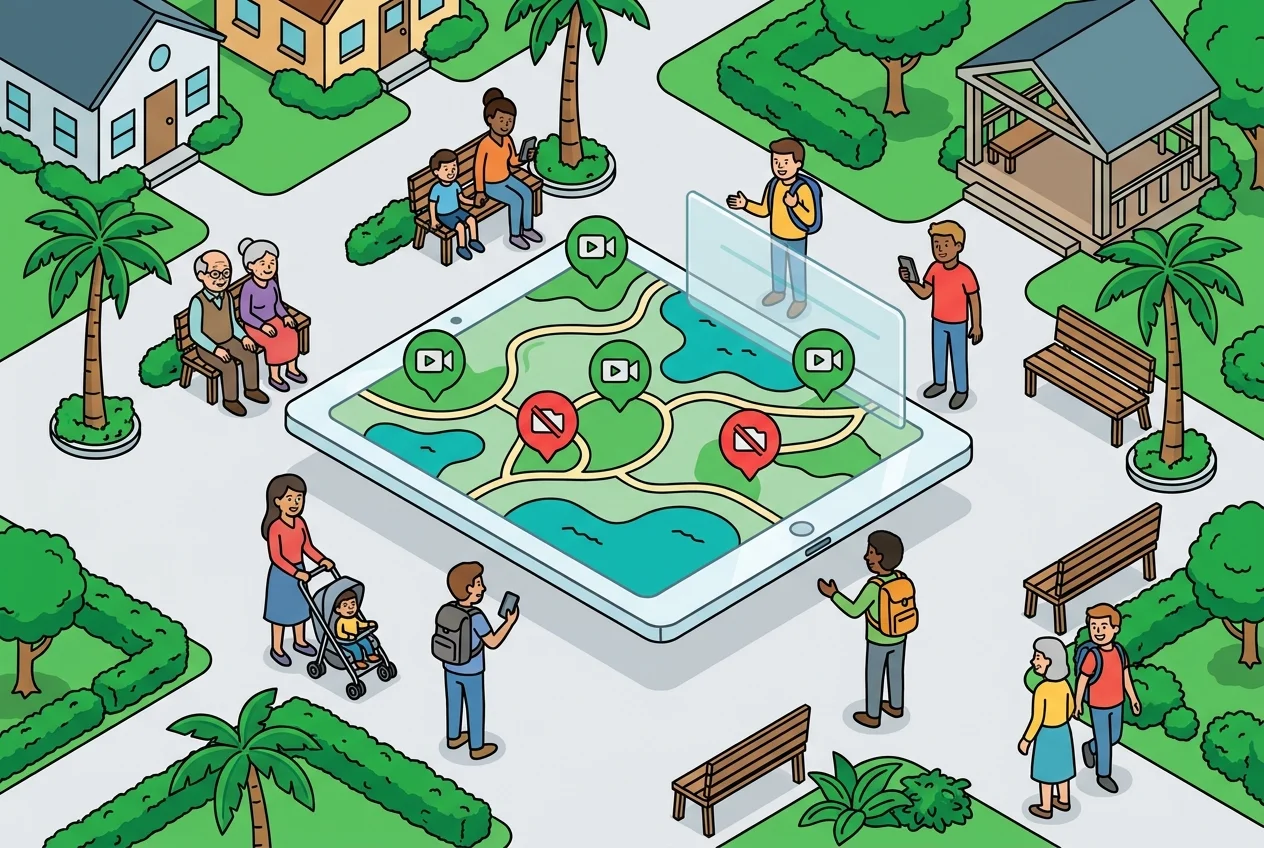
This mechanism is beautifully simple: visitors check a park's website or a dedicated app, view live feeds, and immediately see current conditions. Is the main parking lot nearly full? Are there still spaces at a lesser-known entrance? This real-time visibility empowers visitors to make informed decisions, naturally self-routing away from areas that are already at capacity. This proactive approach significantly reduces the need for reactive staff intervention, such as gate closures and traffic direction. Instead of being turned away, visitors can choose an alternative destination within the park system, ensuring a positive experience and efficient use of regional resources. This technology essentially turns every visitor into an informed traffic manager, leading to a smoother, more enjoyable park visit for everyone.
Benefits of Live Feeds
- Reduced Wasted Trips:
- Visitors know before they go.
- Enhanced Visitor Satisfaction:
- Informed choices lead to better experiences.
- Proactive Management:
- Shifts from reactive problem-solving.
- Staff Time Reallocation:
- Frees up staff for critical tasks.
- Improved Resource Protection:
- Distributes impact across park areas.
For more insights into how real-time views benefit visitors and management, explore our guide on view amenity management.
Unlocking Hidden Gems: Leveraging Visuals to Distribute Usage Beyond Capacity
The utility of live feeds extends far beyond simply showing full parking lots. This technology offers a powerful tool for actively distributing usage across an entire park system, encouraging visitors to explore 'hidden gems' and lesser-known trails that might otherwise be overlooked.
By integrating live feeds from multiple park entrances, trailheads, and scenic overlooks, a regional park authority can present a comprehensive, real-time overview of the entire recreation area. When a popular spot shows high traffic, the system can simultaneously highlight live views of alternative, less-crowded entrances or trails, showcasing their beauty and accessibility. This visual encouragement makes it easy for visitors to discover new experiences, such as a tranquil loop trail or a different scenic overlook, that they might not have considered before. This intelligent distribution is crucial for resource protection, reducing the concentrated wear and tear on popular sites, mitigating environmental impact, and ensuring the long-term sustainability of all park areas. It enhances the overall regional recreation experience by diversifying visitor patterns and promoting a more equitable use of natural spaces.
"Before live feeds, we'd turn away hundreds by 9 AM. Now, we can direct them to our quieter, equally beautiful trails just a few miles down the road. It's a game-changer for visitor flow and preserving our most loved spots."
This strategy also supports the goal of inclusive recreation by making park access more predictable and less frustrating for all.
Justifying the Investment: ROI for Parks & Recreation Authorities
Implementing live visual feeds might seem like an upfront investment, but the return on investment (ROI) for parks and recreation authorities is substantial and multi-faceted.
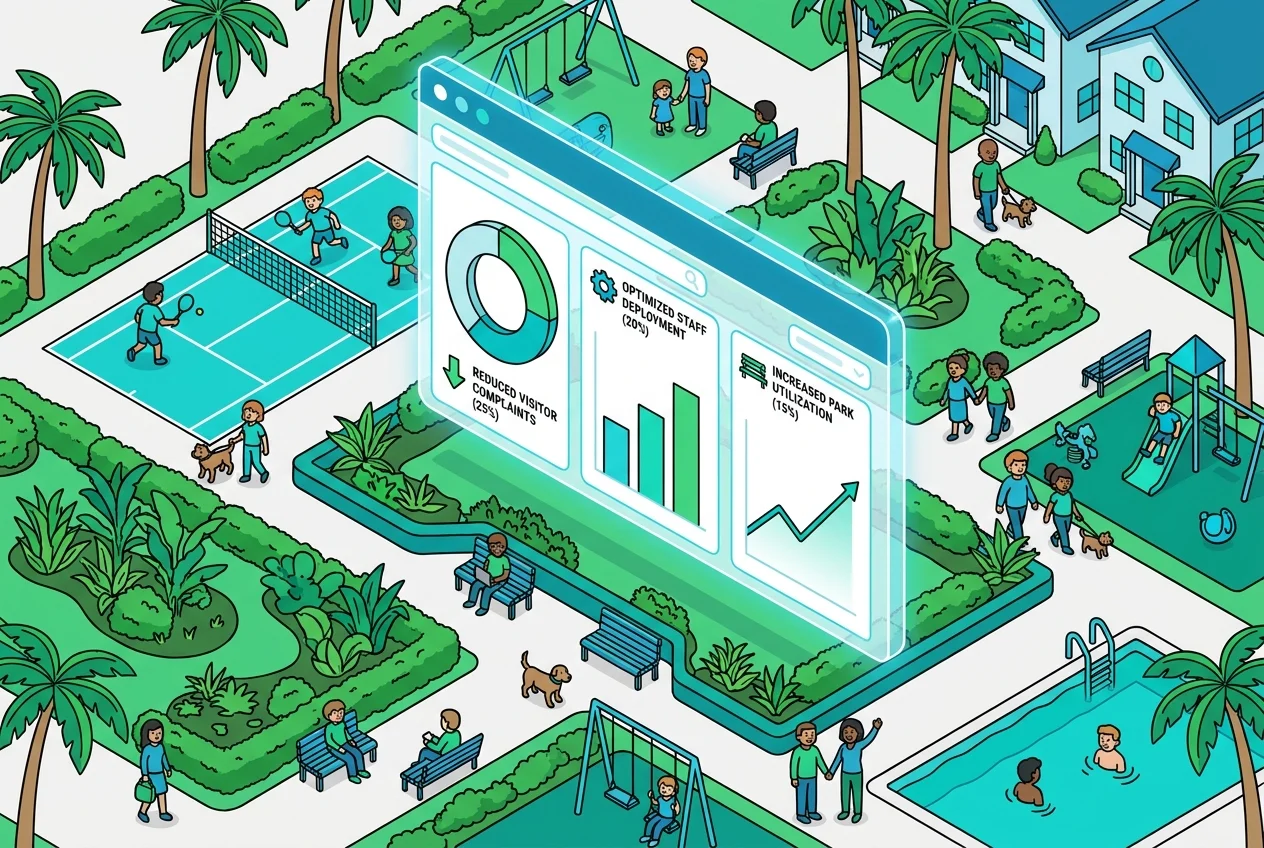
Reduced Operational Costs & Reallocated Staff Time: The most immediate benefit is the significant reduction in staff time spent on traffic control, gate closures, and managing visitor complaints. With visitors self-routing, park staff can reallocate their efforts to critical tasks such as conservation, trail maintenance, visitor education, or emergency response. For example, some parks have reported a 30% reduction in staff time previously dedicated to traffic management during peak hours.
Quantifiable Visitor Satisfaction: Fewer wasted trips directly translate to higher visitor satisfaction. When visitors have access to accurate, real-time information, their experience begins positively, leading to fewer complaints and an enhanced perception of park management. This positive sentiment can translate into increased support for park initiatives and funding. Studies show that parks providing real-time capacity updates see a 25% increase in positive visitor feedback related to ease of access.
Data-Driven Planning & Resource Protection: The aggregated data from live feeds provides invaluable insights into peak times, usage patterns, and the effectiveness of distribution strategies. This data can inform future infrastructure planning, staffing decisions, and conservation efforts. By preventing concentrated overuse, live feeds also play a crucial role in mitigating environmental impact and preventing costly infrastructure damage, making the technology a proactive tool for long-term sustainability.
This proactive approach helps streamline operations and ensures resources are used effectively.
Conclusion: A Smarter Future for State Park Management
The challenge of state park overcrowding is a persistent and growing concern, with traditional reactive methods proving increasingly inadequate. Live visual feeds offer a powerful, proactive, and visitor-centric approach to managing park capacity and distributing visitor flow. By empowering visitors with real-time information, park operators can prevent frustrating gate closures, reduce operational burdens, protect precious natural resources, and significantly enhance the overall visitor experience. Embracing innovative technologies like live amenity viewing is not just about solving a problem; it's about building a smarter, more sustainable future for state park management and ensuring that these vital natural spaces remain accessible and enjoyable for generations to come.
Frequently Asked Questions
What types of cameras are used for live feeds?
Amenivue typically utilizes robust, weather-resistant outdoor cameras designed for continuous operation. These cameras are non-recording and focus solely on providing live, real-time visual feeds of designated areas like parking lots or trailheads. They are selected for their reliability, image quality, and ability to withstand various environmental conditions.
How does this technology address visitor privacy concerns?
Our live feed solutions are designed with privacy as a top priority. The cameras are positioned to capture general occupancy and vehicle count, not individual identifiable faces or license plates. They do not record footage, only stream live views, ensuring that personal privacy is maintained while still providing essential capacity information.
Can live feeds be integrated with existing park websites or apps?
Yes, Amenivue's platform is built for seamless integration. The live feeds can be easily embedded into existing park websites, mobile applications, or digital signage systems. This ensures that visitors can access the real-time information through the channels they already use, making the adoption process smooth and efficient.
Is this solution scalable for a large regional park system?
Absolutely. The system is highly scalable, designed to accommodate a single park entrance or an entire network of dozens of parks and access points across a vast regional system. New camera feeds can be added as needed, providing a unified platform for managing visitor distribution across all designated areas.
What are the main benefits for smaller, less-known state parks?
For smaller or less-known parks, live feeds can be a powerful tool for promotion and visitor distribution. By showcasing real-time availability and the beauty of these 'hidden gems,' park authorities can actively encourage visitors to explore new areas, reducing pressure on popular sites and increasing overall utilization of the park system.
Ready to transform your park's visitor management? Discover how live visual feeds can enhance visitor experience and operational efficiency. Request a demonstration with our team today to see Amenivue in action.